Reports

Meticulously researched, fact-driven analyses on law, policy, geopolitics, and governance. Crafted by a new generation of scholars and practitioners, grounded in primary sources, rigorous methodology, and intellectual honesty.

Beneath the Red Banner

Beneath the Red Banner

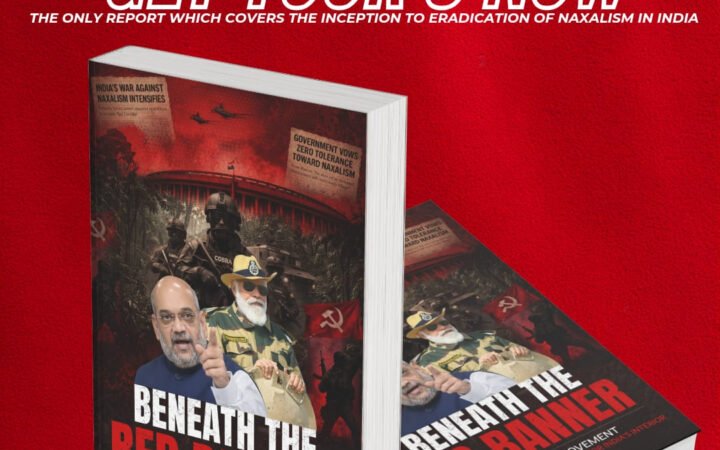
An in-depth exploration into ideology, insurgency, and the war for India’s interior. Understand the roots of the struggle that redefined the nation’s political landscape.

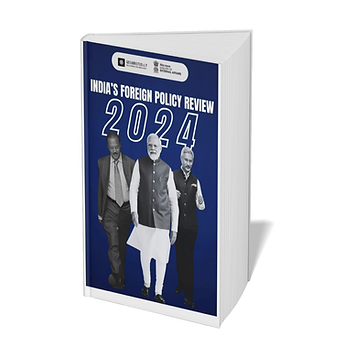
Indias’s Foreign Policy Review

Indias’s Foreign Policy Review

The year 2024 stood as a defining moment in India’s foreign policy journey, reflecting a strategic blend of pragmatism, ambition, and a steadfast commitment to global leadership. India’s foreign policy achievements this year were marked by impactful bilateral engagements, high-profile multilateral summits, and bold humanitarian initiatives that reinforced its reputation as a responsible and responsive global actor. The country demonstrated strategic leadership through its role in the G20 Troika, pivotal contributions to BRICS, and deeper partnerships within the Indo-Pacific and beyond. Simultaneously, India addressed regional security challenges, strengthened defence ties, and made progress in resolving long-standing disputes, signalling its readiness to uphold peace and cooperation amidst rising tensions.
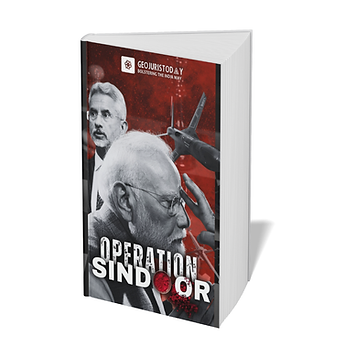
Operation Sindoor

Operation Sindoor

Operation Sindoor is a strategic research report by The Geojuristoday, analysing India’s defence preparedness and the evolving threat landscape in the Middle East and Indo-Pacific region. Focused on recent escalations involving Iran and Israel, the report examines multi-domain operations, India’s diplomatic balancing, and technological vulnerabilities. It evaluates India’s missile defence systems, cyber warfare capabilities, and the potential impact of hypersonic threats. Operation Sindoor also includes strategic recommendations for national preparedness, AI integration in defence, and proactive diplomacy. The report underscores the urgency of redefining India’s security doctrine in light of emerging hybrid warfare models and geopolitical instability.
Download PDF
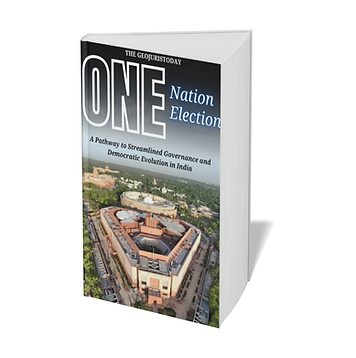
One Nation One Election

One Nation One Election

India's proposed “One Nation, One Election” policy seeks to synchronize Lok Sabha and State Assembly elections to streamline governance, reduce costs, and enhance administrative efficiency. Spearheaded by a committee led by former President Shri Ram Nath Kovind, the proposal has ignited debate over its impact on India’s federal structure. While the concept draws inspiration from countries with synchronized electoral cycles, its implementation in India poses legal and logistical challenges due to constitutional constraints and political diversity. This report explores ONOE’s feasibility, benefits, and global comparisons, aiming to assess its role in shaping a more stable and efficient democratic framework for India.
Download PDF
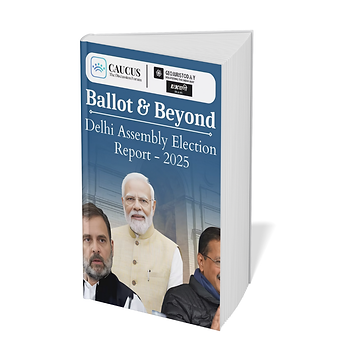
Ballot & Beyond

Ballot & Beyond

Shadows of the Crescent & the Star | A GeoJuristoday Grand Strategic Report Where Rivalry Burns in Silence, and History Bleeds into Strategy. From the embers of empire to the edge of nuclear brinkmanship, the Iran-Israel conflict is no ordinary geopolitical standoff. It is a long war of shadows, fought across airwaves, proxies, and centuries-old anxieties. In this landmark report, The GeoJuristoday unveils a comprehensive, multi-theatre analysis of the most volatile rivalry in West Asia. Crafted for statesmen, scholars, security thinkers, and legal minds alike, this document explores the architecture of hostility and the geometry of deterrence that now threatens to redraw regional lines. What you’ll uncover: ◆ Theocratic Statecraft vs. Strategic Zionism: A Historical Retrospective ◆ Proxy Wars in Lebanon, Syria, Iraq & Gaza: The Expanding Periphery ◆ Nuclear Thresholds & Doctrinal Gambits: Mutually Assured Ambiguity ◆ Cyber, Satellite & Shadow Operations: The War Beyond Borders ◆ U.S., Russia, China, and the Gulf: Power Plays in a Crowded Chessboard ◆ Legal Contours: Assassinations, Sanctions & International Norms ◆ India's Strategic Equidistance: Non-Alignment or Quiet Realism? This is more than a conflict study. It is a monumental case file, decoding how belief, history, and power fuse into a geopolitical faultline with global consequence. Read it to comprehend. Share it to enlighten. Debate it to prepare.

Download PDF
RakshaManthan

RakshaManthan

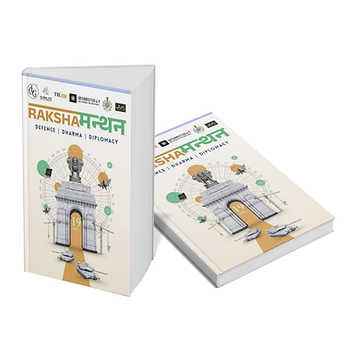
Rakshamanthan 2025 served as a powerful convergence of civilizational wisdom and strategic foresight, addressing India's defence imperatives through the Raksha-Vyuha session. Eminent defence leaders and thinkers emphasized the urgent need for military modernization, self-reliant manufacturing, maritime security, and technologically driven warfare. Discussions fused ancient Indian strategic concepts with contemporary global challenges—highlighting themes like cyber warfare, climate-linked security threats, and defence diplomacy. This dynamic platform reflected a broader vision: India must not merely adapt to the global order but actively shape it, drawing strength from its heritage while leading with clarity, purpose, and innovation.
Download PDF
Shadows of the Crescent & Star

Shadows of the Crescent & Star

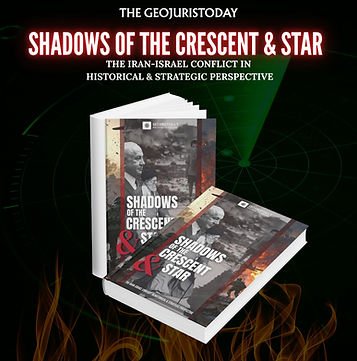
Shadows of the Crescent & the Star | A GeoJuristoday Grand Strategic Report Where Rivalry Burns in Silence, and History Bleeds into Strategy. From the embers of empire to the edge of nuclear brinkmanship, the Iran-Israel conflict is no ordinary geopolitical standoff. It is a long war of shadows, fought across airwaves, proxies, and centuries-old anxieties. In this landmark report, The GeoJuristoday unveils a comprehensive, multi-theatre analysis of the most volatile rivalry in West Asia. Crafted for statesmen, scholars, security thinkers, and legal minds alike, this document explores the architecture of hostility and the geometry of deterrence that now threatens to redraw regional lines. What you’ll uncover: ◆ Theocratic Statecraft vs. Strategic Zionism: A Historical Retrospective ◆ Proxy Wars in Lebanon, Syria, Iraq & Gaza: The Expanding Periphery ◆ Nuclear Thresholds & Doctrinal Gambits: Mutually Assured Ambiguity ◆ Cyber, Satellite & Shadow Operations: The War Beyond Borders ◆ U.S., Russia, China, and the Gulf: Power Plays in a Crowded Chessboard ◆ Legal Contours: Assassinations, Sanctions & International Norms ◆ India's Strategic Equidistance: Non-Alignment or Quiet Realism? This is more than a conflict study. It is a monumental case file, decoding how belief, history, and power fuse into a geopolitical faultline with global consequence. Read it to comprehend. Share it to enlighten. Debate it to prepare.
Download PDF
Tariff Iron Curtain: Fragmenting Globalisation & The Rise of Economic Spheres

Tariff Iron Curtain: Fragmenting Globalisation & The Rise of Economic Spheres

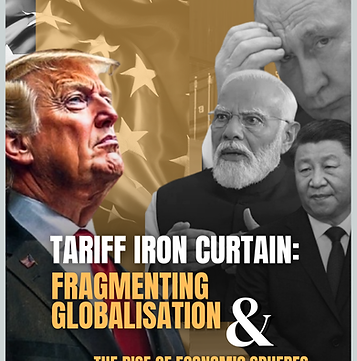
The United States’ imposition of tariffs on Indian exports has sparked significant debate over trade relations between the two nations. Initiated as part of broader U.S. trade protection measures, these tariffs have affected key sectors such as steel, aluminum, textiles, and agricultural products, raising concerns about market access and competitiveness for Indian exporters. While the U.S. argues that such tariffs protect domestic industries and address trade imbalances, India views them as restrictive measures that undermine the spirit of free trade. The issue has prompted discussions at bilateral and multilateral forums, with implications for economic diplomacy, WTO regulations, and the future trajectory of Indo-U.S. trade cooperation.
Download PDF
Patel @150

Patel @150

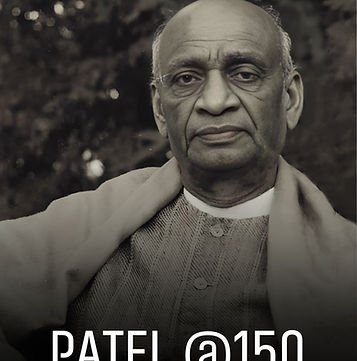
“Not stone but systems. Not memory but mission.” On the 150th birth anniversary of Sardar Vallabhbhai Patel, GeoJurisToday presents PATEL@150, a comprehensive report reinterpreting the Iron Man’s vision of unity, governance, and realism for the 21st century. Patel’s legacy goes beyond the integration of 565 princely states. It reflects the strategic foresight that transformed a colonial polity into one of the world’s most resilient democracies. His iron realism, rooted in administrative prudence and national unity, laid the foundations of India’s federal balance, internal security, and institutional strength. The report re-examines Patel’s ideas through modern lenses, exploring how unity today must be institutional, digital, social, and economic.
Download PDF